About Me
I am a NYC based High School student who is passionate about human rights, social justice and public policy.
I have volunteered at local non-profits like Hudson Guild and Life Story Club, based in New York City. I serve on the youth leadership council of the NYC Department of Human Rights.
I was actively involved in my local community as an intern in the office of Councilman Erik Bottcher District 3 in Summer and Fall 2025. He has now been elected State Senator so I will return to work for him in Summer 2026.
I founded a non-profit called Navya by Nysa where we promote awareness of human rights issues and how public policy can address them. Through our work and fundraising activities we support and partner with multiple organizations like Sakhi.org and the Future Hope school in Calcutta, India.

How I got interested in Public Policy
August 2nd 2025
In 2023, I was one of two High School freshmen chosen to represent my school at the Student Diversity Leadership Conference in St. Louis, Missouri. I didn't know it then, but that experience would shape the way I think about justice, equity, and the power of policy. Over several days, I joined students from across the country in conversations about race, gender, and systemic injustice. We discussed how prejudice doesn’t just show up in personal interactions; it shapes access to opportunity, economic outcomes, and public perception. I came away with a deeper understanding of how structural inequality works and why real, impactful solutions need to be both community-driven and systemic.
That experience made me think more seriously about the role of policy in creating change. Social justice work is powerful, but I realized it’s not enough to raise awareness alone. If change doesn’t translate into better policies and more equitable systems, it rarely lasts. That conference was a starting point for me. Since then, I’ve been more involved in youth advocacy and public policy work, trying to better understand how we can make institutions more just and responsive to the people they serve.
This blog, Nysa for the Record, is where I’ll write about those interests. I’ll be sharing my experiences, what I’m learning, and what I think more people-especially young people-should be paying attention to. Some posts will be reflective, others focused more on policy and research. This blog is my way of thinking out loud, staying informed, and hopefully sharing something meaningful along the way.
Volunteering at the Hudson Guild Early Childhood Center
August 14th 2025
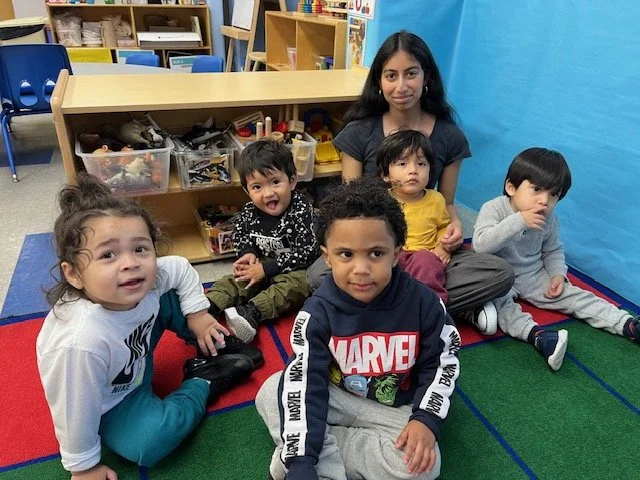
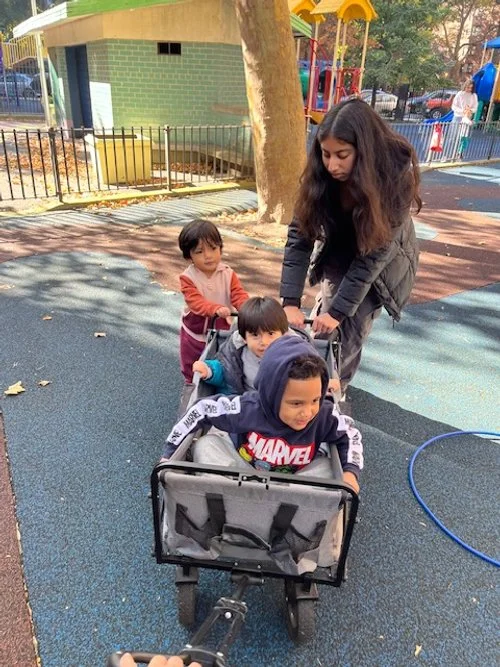
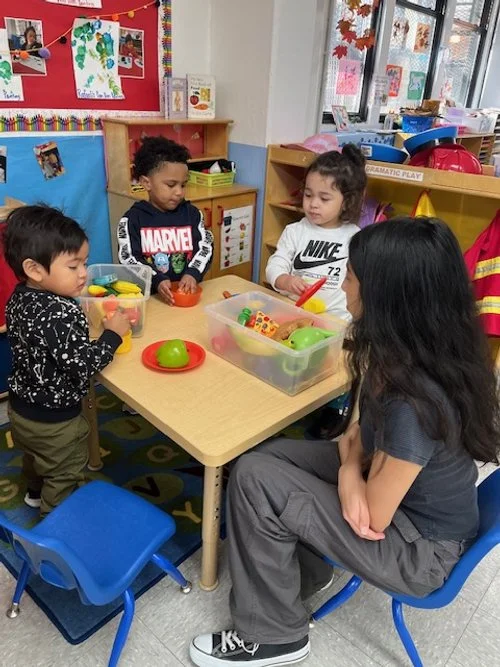
Growing up in New York City, I’ve always been fortunate to live in a stable apartment with my family and attend a good school. Last October, I volunteered at the Early Childhood Center at Hudson Guild, a nonprofit organization in my neighborhood that provides subsidized housing, education, and job opportunities.
I specifically worked with kids under the age of two, serving as an extra set of hands for the staff. My days included helping out with circle time, arts and crafts, meals, and nap time. The center was able to provide the children with almost everything they needed, including breakfast, lunch, and two snacks, at no cost to their families.
This experience was extremely eye-opening for me. I began to realize how much these resources impacted these children and their families. Things I didn’t have to think about as a kid-diapers, formula, and daily meals are often difficult for families to afford, especially those without outside help. I saw how much these families relied on the daycare and free meals, so they could stay at work knowing that their children were safe and cared for.
By the end of the week, I had new awareness of how many families struggle to make ends meet without the help of organizations like Hudson Guild. No one should have to choose between buying their kids diapers and paying rent on time. Witnessing this reality firsthand deepened my interest in Public Policy, especially policies that address housing affordability, education, and access to essential resources.
Working with Seniors at Life Story Club
September 1st 2025
I worked on a research project with Life Story Club, an organization that combats social isolation among older adults through storytelling and small group gatherings. I created a list of public and private organizations that would be good partners for Life Story Club based on their interest in the senior population.
My work helped me see how community-based organizations like Life Story Club provide more than just social interaction; they give older individuals a sense of purpose and belonging. I learned how much loneliness and isolation can impact people’s mental health, especially older adults who are homebound, have health conditions, or are part of marginalized communities. Nonprofits like Life Story Club often partner with larger institutions like the New York City Housing Authority to reach more people. These initiatives are directly tied to public policy. Both private and public social programs and housing policies need to consider the importance of community and inclusion. This collaboration between Life Story Club and NYCHA showed me how community organizations and government policies can work hand in hand to address issues neither could solve alone. Another lesson I took away from this project was the power of storytelling itself. Sharing stories is not only personal, it is political. These individuals are highlighting lived experiences that cannot be captured solely by data. Understanding these stories can allow us to design more effective solutions to the problems we face
This project reinforced why I’m passionate about public policy. Social justice isn’t just about addressing large-scale systemic problems; it's also about making sure that no one’s left out of the conversation. Older adults, especially those who are isolated, deserve to be involved in policies that include housing, healthcare, and social services. Community-based organizations like Life Story Club prove that small, thoughtful interventions can have a big impact, and they remind me of the kind of work I want to keep exploring.
Summers in Kolkata, India & Future Hope
September 14th 2025
I’ve lived in New York City my whole life, but every summer I return to Kolkata, India, the place that feels most like home. I love the rhythm of the city, engrossing myself in its culture and lifestyle. But alongside its vibrancy, there are reminders of the struggles people face, especially children who grow up in poverty.
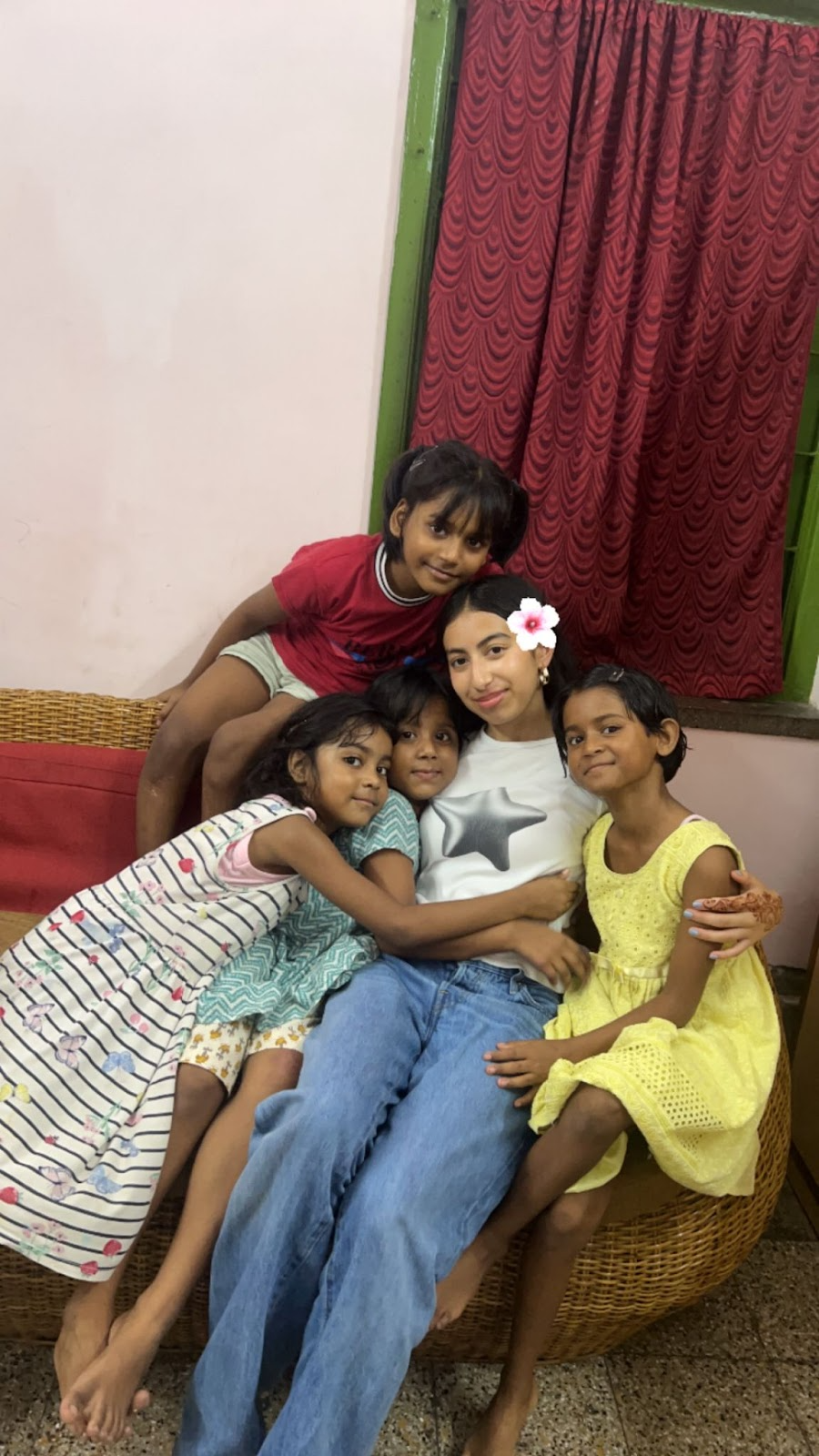
Last summer, I volunteered at the Future Hope School, an organization that provides housing, education, and medical programs for street and slum children in Kolkata. I spent most of my time in the Girls Home, with kids between 6 and 12. At first, I was worried about the language barrier- I don’t speak Bengali, and they didn’t speak English-but that didn’t stop us from connecting. Through broken Hindi and a lot of hand gestures, we were able to converse with each other. We sat together during mealtimes, eating lollipop chicken from the same tray. They introduced me to their favorite songs (which, to my surprise, included Selena Gomez), while I taught them crafts I loved as a child.
Some of their stories were hard to hear. Many had come from families struggling with poverty, some had crossed the border from Bangladesh, and others had spent time working before arriving at the school. What stood out to me, though, wasn’t their hardship-it was their joy. Whether we were making bracelets or playing a silly game, they carried a sense of resilience I had never seen before.
Spending time with them, I realized how powerful it is when children are given the chance to be kids again. I watched how Future Hope isn’t just providing these kids with education and housing, they're giving them a community, and space to reclaim their childhood. Experiences like these showed me how deeply public policy shapes children’s lives, from access to housing and education to protection against child labor. Stronger policies can ensure that more children don’t just survive, but have the chance to thrive and dream.

Starting Navya by Nysa
September 28th 2025
The summer I spent in India was when my interest in public policy started to take shape in a more concrete way. At the Future Hope School for Girls, I saw up close how poverty affects children’s lives. It affected them in their daily routines, their access to education, and the opportunities they might or might not have in the future. My summer experience pushed me to think more critically about labor, equity, and how systems and policy can either exploit or protect specific segments of the population, especially those that are most vulnerable. The Future Hope school is a private sector non-profit that partners with many governmental organizations. It showed me how the public and private sector can work together to ensure that communities are given the tools to build sustainable futures.
Outside the school, I spent much of my time exploring local markets. I was struck by the talent and craftsmanship of the welders, craftsmen, and artisans whose work filled the stalls. The handmade pieces the jewelers created were intricate and carefully made, but it was clear they weren’t receiving good payment for their work. On the other hand, similar items are often sold abroad at marked-up prices, disconnected from the culture and reality of the people who made them. That realization stayed with me. I had always been interested in starting a jewelry business, but that summer gave it a new direction.
I launched NavyabyNysa as a social enterprise that sold handmade Indian jewelry, with a percentage of profits supporting organizations like Future Hope. What began as an Etsy shop with small sales eventually grew into a project with a larger purpose: connecting people to the stories behind my jewelry while raising money for causes I care about. This year, I transitioned NavyabyNysa into a nonprofit organization. It is no longer just about selling handmade jewelry, but instead we are partnering with many grassroots organizations to spread awareness, education about human rights issues, public policy, and we raise funding for related causes.
Joining YES Council in the NYC Department of Human Rights
October 12th, 2025
Last year, I joined the Youth Equity Council at the New York City Department of Human Rights. I had never served on a council before, or even worked with other students my age who shared my interest in public policy and social justice. Walking into that first meeting, I didn’t know what to expect, but I quickly realized how powerful it was to collaborate with people who were just as passionate about creating change in our city.
I decided to join the Education Equity team, which focuses on addressing disparities within New York’s school system. Our group was especially interested in the admissions process for specialized high schools. Many students, particularly in under-resourced communities, don’t learn about the SHSAT, the exam required for entry, until it’s too late to properly prepare. Some only hear about it once they’re already in high school, missing the opportunity altogether.
Our main goal became hosting an event to help families better understand the SHSAT process and access the right resources. We wanted to make sure middle school students and their parents both felt supported, so we planned separate sessions for each group: an engaging student panel and activities for the kids, and informational workshops with test prep materials for the parents.
Throughout the year, our council also organized initiatives centered on racial equity and language access, each one highlighting how deeply issues of education, race, and opportunity are connected in New York City.
Working with YES Council has continued to give me a better understanding of how systemic inequities play out in real time and how meaningful it is when young people are given a seat at the table to address them. It strengthened my belief that public policy isn’t just something that happens in government offices; it’s something we can shape ourselves, one community at a time. I am looking forward to my second year serving on Yes Council as a Junior.
My City Council Summer Internship
October 26th, 2025
This summer, I had the opportunity to intern at the office of New York City Council Member Erik Bottcher. Growing up in Manhattan, I’ve always been fascinated by how the city works behind the scenes.. But working inside a City Council office gave me a new perspective on how local government actually works and how policies take shape in people’s daily lives.
Over a few weeks, I attended events and policy meetings with Council Member Bottcher and his team. I quickly learned that much of city government happens behind the scenes, through ongoing collaboration with communities rather than big announcements. Whether it was helping organize a park cleanup, packaging food bags for seniors, or researching financial trends for Business Improvement Districts (BIDs), each project connected back to the same purpose: improving quality of life for New Yorkers.
One of the most rewarding parts of my internship was joining community events where residents and officials worked together. I saw how small acts of service, like cleaning a park or distributing meals, are tied to larger policy areas such as sanitation funding, senior support programs, and urban planning.
By the end of the internship, I had a much deeper appreciation for how city governance really functions. Public policy isn’t just about passing laws or drafting reports—it’s about the everyday actions and decisions that make neighborhoods stronger and more equitable. My experience with Council Member Bottcher’s office reminded me how much impact local government can have when it listens, collaborates, and leads with the community in mind.

Fall work with Council Member Erik Botcher & his decision to run for Congress
December 7th, 2025
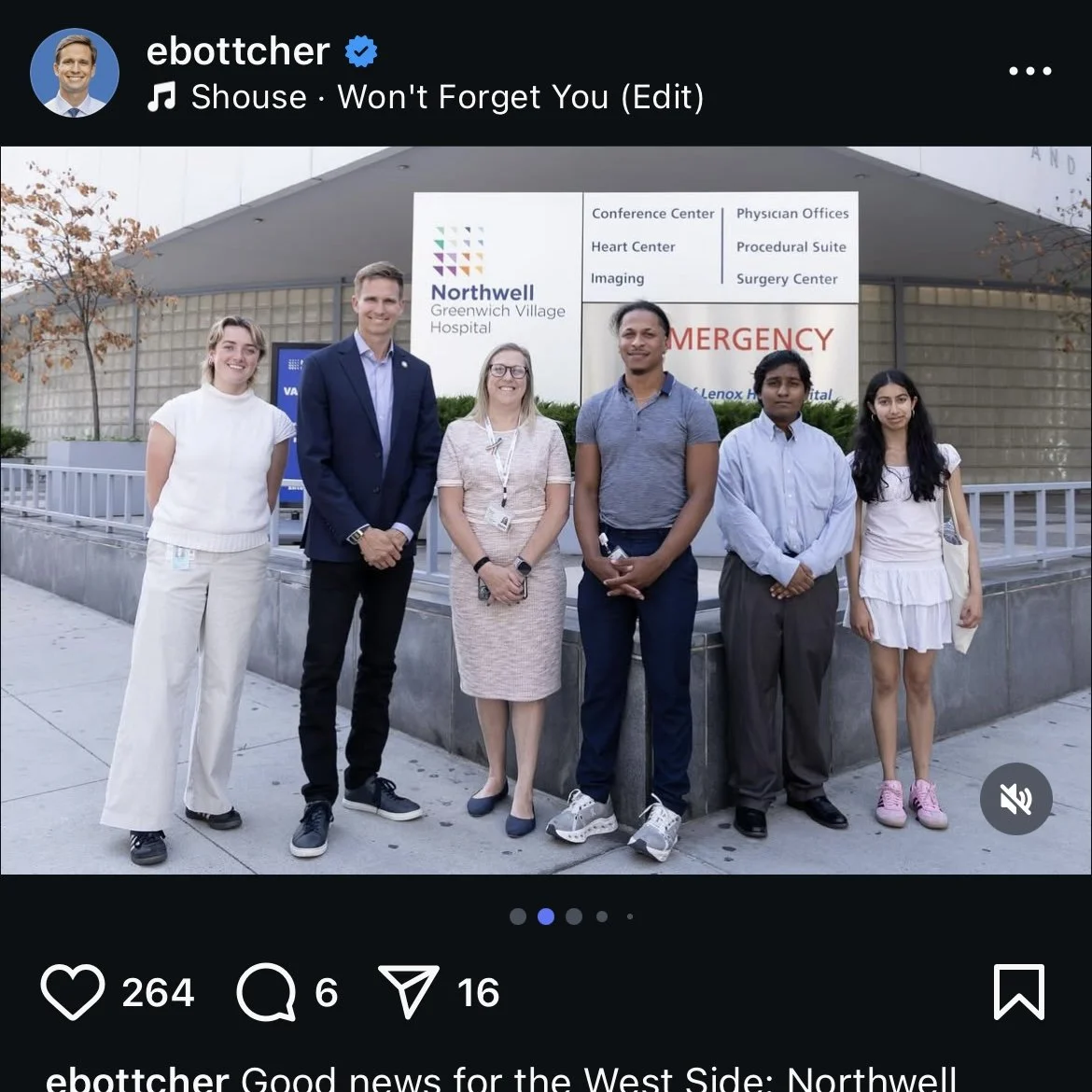
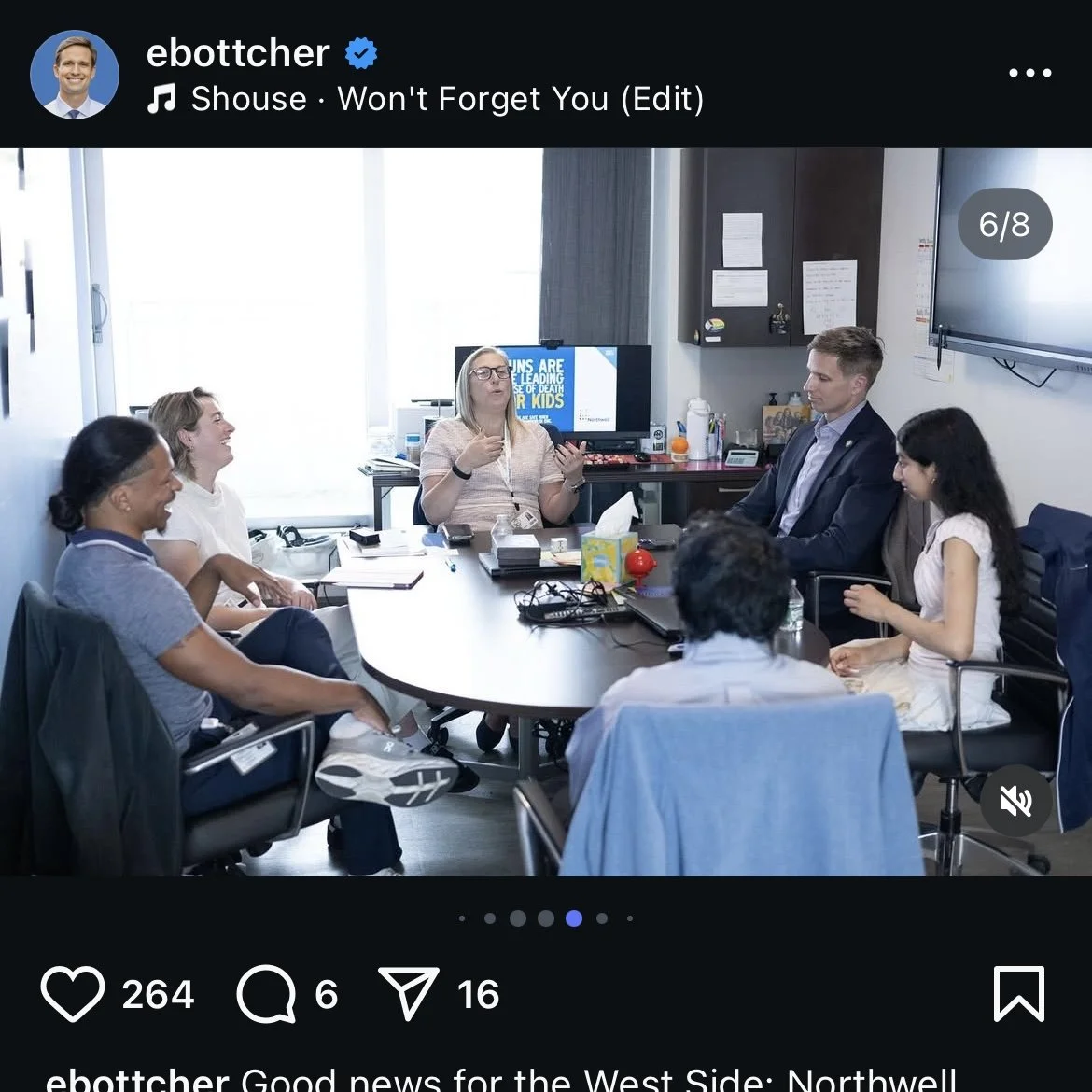
This fall I returned to the office of Council Member Erik Bottcher, where I had interned over the summer. The work looked somewhat different this time, since he is now running for Congress, and the office had a sharper focus on understanding what people in the district needed most.
Much of my work centered on improving daily quality of life. I researched ways to make neighborhood parks more accessible, examined facility improvements, and gathered information on local streets and sidewalks in need of repair. It was clear how much a small problem, such as a broken curb or a blocked walkway, can affect people's daily lives more than one might expect. Addressing what seems simple from the outside often requires considerable coordination.
I appreciated returning to an environment where every task connected directly to the community. Every call, meeting, or email pointed back to something in someone's actual day. Watching the office respond to these issues taught me a great deal about what it means to represent a district and to attend closely to the details that matter most to residents.
Watching Council Member Bottcher prepare for a congressional race added another layer to the experience. It showed me how local work and national conversations are connected, and how important it is for leaders to remain rooted in the communities they come from. Being part of the office during this period gave me a better understanding of how public service develops over time, and how much unseen effort goes into it.
Diwali Chai & Samosa Sale for Sakhi.org
November 9th, 2025
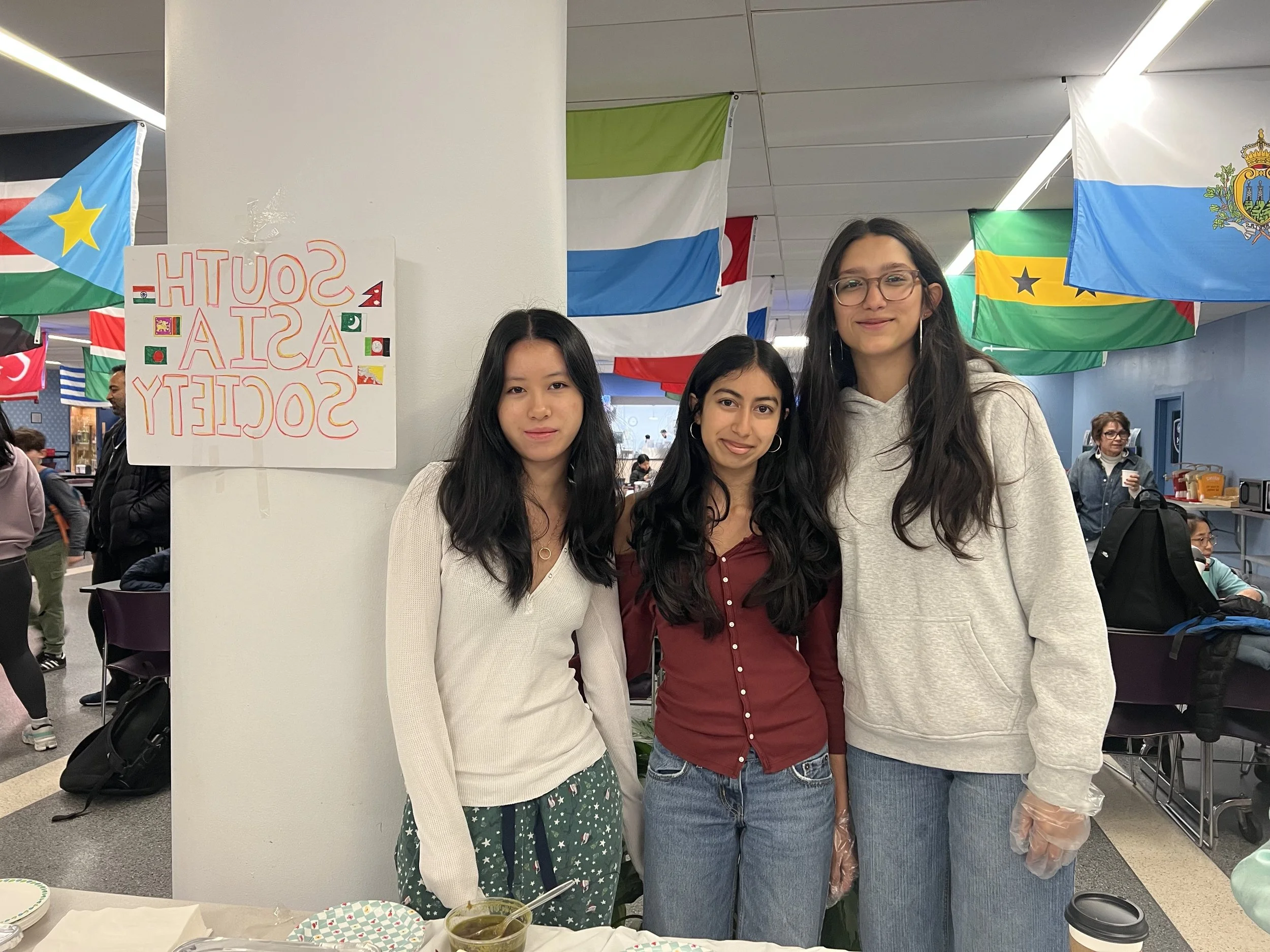
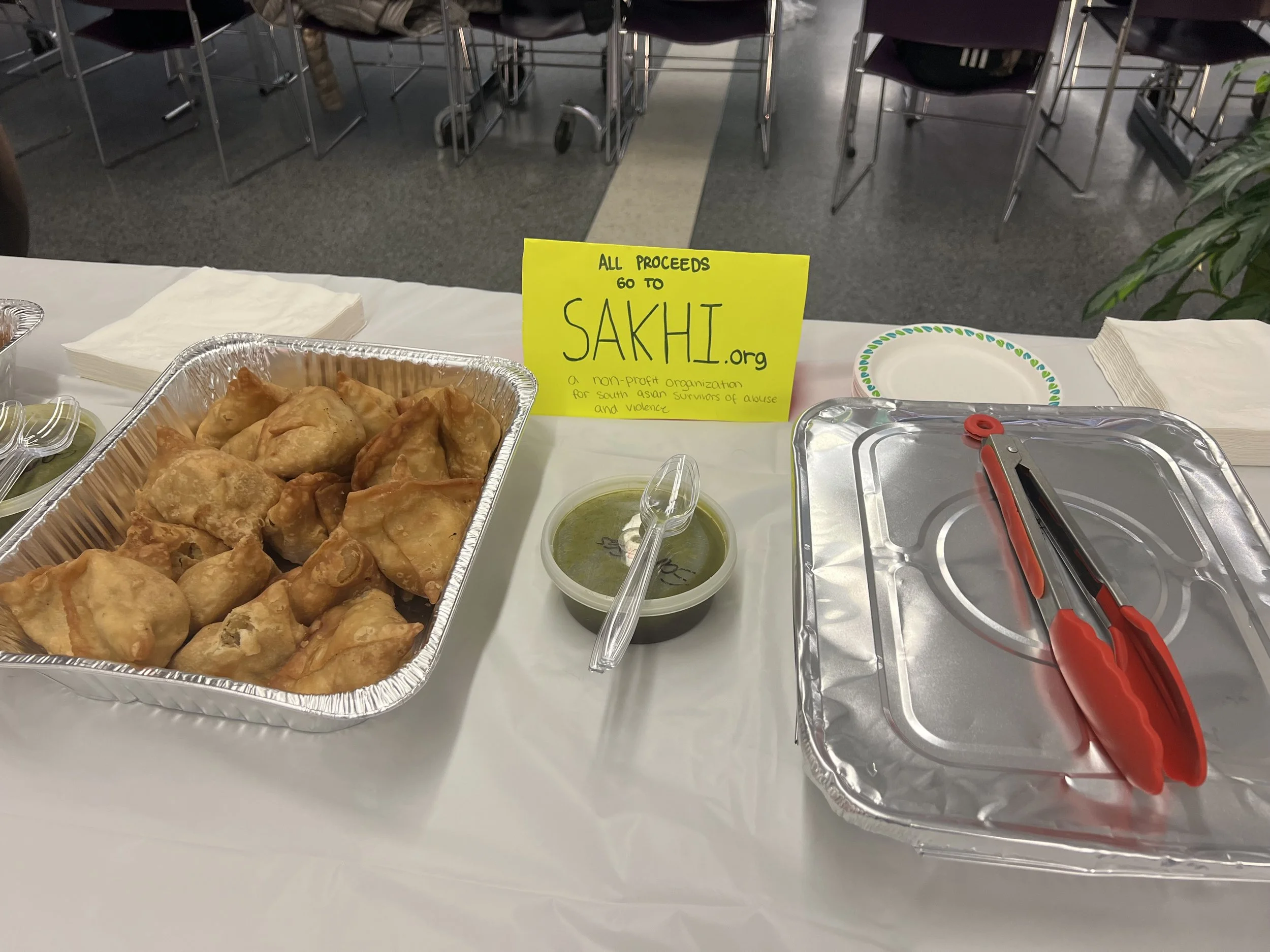
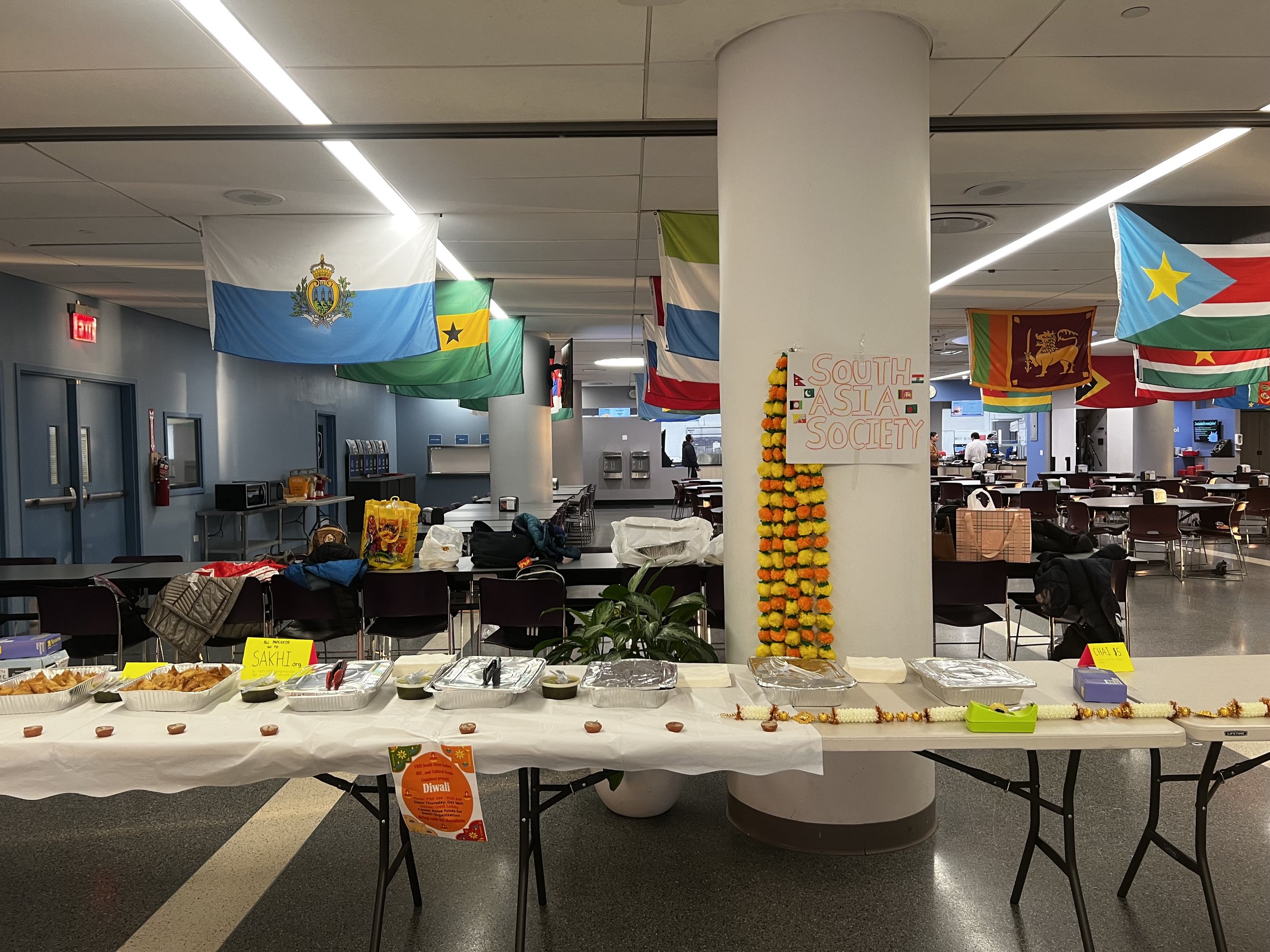
This Diwali, the South Asia Society, the club I founded at my school, organized a chai and samosa sale to raise funds for Sakhi.org, an organization that supports South Asian survivors of gender-based violence and abuse. We wanted to celebrate the festival of light not just through food and festivity, but by bringing light to people who need it most.
Early that morning, our club members set up tables filled with steaming cups of chai, trays of mithai, and over 300 freshly made samosas. The line began forming before school even started, and within a few hours, everything was sold out. By the end of the day, we had raised $ 1,000, our most successful fundraiser yet!
Beyond the excitement of selling out so quickly, what made the event meaningful was knowing where the money was going. Sakhi.org provides critical services like counseling, legal support, and shelter to South Asian women and families experiencing violence. Sharing that purpose with our community helped start important conversations about issues that are often left unspoken, even within our own culture.
As I watched students and teachers line up for chai and samosas, I realized how meaningful it can be when culture and community come together for a cause. What started as a simple Diwali sale turned into a moment of awareness and giving. It reminded me that even small efforts, like sharing food or raising funds, can make a real difference when they’re rooted in purpose. Events like this continue to strengthen my interest in finding ways to connect culture, advocacy, and policy to create positive change in my community.
NYC Mayoral Race & Historical Win
November 27th, 2025
This November, New York City made history when Zohran Mamdani won the mayoral race. Having grown up in this city and having spent the past several years focused on equity and social justice, his win felt like a meaningful step toward a city more attentive to the needs of everyday New Yorkers.
This election also saw one of the highest voter turnouts in decades, with more than two million ballots cast. Mamdani's campaign brought together working class communities, immigrants, young voters, and renters, groups that often go unheard in local politics. Seeing that coalition come together gave me a genuine sense of hope for what shared civic participation can look like.
What stands out to me is not only that he will be the city's first Muslim and first South Asian mayor, but what that win represents. It reflects a growing desire for leadership that listens to communities, prioritizes affordability, and understands the realities people face day to day.
As someone invested in public policy, I am watching closely to see how the new administration approaches housing, immigrant support, and social services. I hope this moment becomes more than a historic milestone, and that it marks the start of lasting progress for the city I call home.
YES Council Volunteer Work
January 4th, 2026
This year I have continued my work with YES Council, building on last year's SHSAT event and exploring new ways to support students across the city. Our focus has been an upcoming event for middle and high school students, aimed primarily at teenagers with a secondary audience of middle schoolers, meant to give students the tools to navigate specialized high school admissions while supporting their families through the process.
I have been developing separate programming for students and parents, including a student panel and interactive activities alongside resources on test preparation and specialized high schools for parents. Coordinating these sessions has required considerable planning and a real effort to think through what families across different communities actually need.
I have also worked closely with Catapult Learning, an organization that supports Title 1 schools through tutoring, parent engagement, and professional development. Their guidance has helped make our event more effective, and I have learned how to highlight programs that can continue supporting students long after the event itself has ended.
Beyond education, I have also been involved in planning World Teen Mental Health Day, helping design activities and resources aimed at raising awareness of mental health among teenagers.
This work has shown me how much impact youth-led initiatives can have when paired with strong partnerships and careful planning. Whether expanding awareness of the SHSAT or building mental health programming for young people, this experience has deepened my commitment to social justice and reaffirmed my interest in public policy as a means of addressing inequity at both the systemic and community level.
January 26th, 2026
This year, New York City entered a new chapter as Mayor Zohran Mamdani took office. Given my interest in public policy and social justice, I have been paying close attention to how his leadership approaches the issues that shape everyday quality of life.
What has stood out most is his emphasis on affordability, housing, and access to essential services. Early in his term, Mamdani prioritized expanding supportive housing and addressing the cost burdens weighing on working families, efforts that reflect a broader commitment to making the city more livable for people often pushed to the margins by rising expenses.
He has also placed real emphasis on youth and community health, supporting new clinics and programs meant to expand access to care, particularly for young people. This suggests an administration that understands physical and mental well-being are closely tied to educational success and long-term opportunity, which connects directly to my own work on teen mental health and education equity.
I also admire how he approaches community needs with visibility and a certain empathy, whether responding to citywide challenges or highlighting resources available to residents. It reads as governance shaped by real people's experiences rather than policy written at a distance from them.
Watching Mayor Mamdani's early work has reinforced why I am drawn to this field. It has shown me how decisions made at the city level directly shape access to housing, healthcare, education, and opportunity, and it has strengthened my resolve to keep working toward policy that centers equity and dignity.
NYC has a new Mayor: Leadership for the People
Erik Botcher wins NY State Senate Race in Landslide
February 8th, 2026
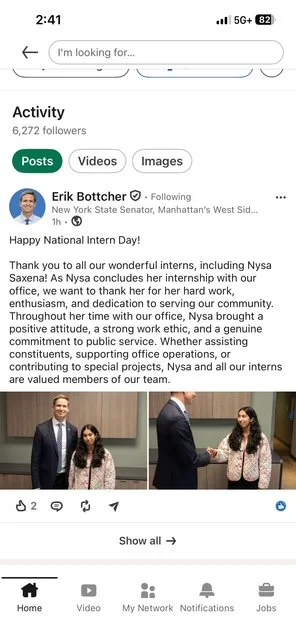
Erik Bottcher's election to the New York State Senate carries particular meaning for me, since I had the opportunity to work in his district council office over the summer and into the fall, well before any campaign headlines or election results.
During my time in the district office, I saw how much of the work centers on listening. Constituents came in with questions about housing, city services, and local concerns, and the priority was always ensuring people felt heard and supported. I learned that effective leadership often happens quietly, through follow-up, problem-solving, and consistency rather than public attention.
We addressed food insecurity by distributing groceries to those in need. He advocated for converting existing commercial buildings into residential units, including low-income housing, to expand affordable housing in his district. I also accompanied him to Northwell Hospital in Greenwich Village to meet and support healthcare workers, and to a protest in Midtown where he defended free speech and freedom of the press.
Watching Erik Bottcher move from city government into the State Senate showed me how experience at the local level shapes broader policymaking. It is not only about legislation but about responsibility to the people a representative serves. None of what I observed in the district office felt abstract. It was immediate and personal, and it demonstrated how city and state policy directly affects people's everyday lives. As he begins his work in the State Senate, I feel fortunate to have been a small part of his team. He remains an important model for young people, since his leadership has been built over time through trust and community engagement. This experience has reinforced my interest in public policy and social justice, and continues to shape how I think about government, advocacy, and my own future in public service.
Looking back on Erik Botcher’s role as a NY City Councilman
February 22nd, 2026
As Erik Bottcher begins his new role in the New York State Senate, I find myself reflecting on what he accomplished during his time as a City Council Member. Having worked in his district office, these accomplishments feel more personal to me, since I witnessed how much effort and collaboration went into policies that often appear as simple headlines or statistics.
One of the most significant was the passage of the Midtown South Mixed Use Plan, a major rezoning effort that will bring 9,535 new homes to the area, including 2,842 affordable housing units. Alongside the new housing, the plan includes a 325 million dollar investment to transform Broadway from 21st to 42nd Street into a park-like promenade. Watching a project of this scale take shape helped me understand how city planning shapes not only neighborhoods but how people experience public space day to day.
Transportation and accessibility were also central priorities. The approval of the 34th Street car-free busway moves the city toward faster and more reliable public transit, a policy that may seem minor at first but directly affects how people commute and access jobs.
Environmental initiatives were another meaningful part of his term. Over four years, 1,000 new trees were planted across Council District 3, improving air quality and expanding green space. Legislation such as Intro 1233 reimagined traffic medians as spaces that can support trees and plants, showing that even overlooked pieces of city infrastructure can contribute to a healthier urban environment.
Mental health support saw some of the most measurable change. Local Law 35 required onsite mental health care in every family homeless shelter, a significant shift given that only four percent of shelters previously offered such services. Within a year, 7,691 people received care across the thirty largest shelters alone, referrals more than doubled, and serious incidents dropped considerably. Learning about this work reinforced how directly policy decisions can improve safety and well-being for vulnerable communities.
Food insecurity was addressed through the Fresh Food for Seniors program, which packed and delivered 1,547 bags of fresh produce to older adults across the district in 2025 alone.
Looking back on these accomplishments has helped me better understand how local government operates at its best. Housing, transportation, environmental sustainability, mental health, and food access may appear to be separate issues, but together they shape the everyday lives of New Yorkers. Observing these initiatives develop from inside the district office strengthened my interest in public policy and social justice, and showed me how meaningful change often begins at the local level.
The Housing Shortage in New York City
March 15th 2026
Housing is a subject that comes up frequently in everyday conversation in New York, whether through rent prices, apartment searches, or people relocating to different neighborhoods. In 2026, the housing shortage has become an increasingly visible issue, shaping how people make decisions about where and how they live.
One of the central challenges is the gap between the number of available homes and the number of people who need them. As demand continues to grow, supply has not kept pace, particularly with respect to affordable housing, making it harder for many families to find stable, reasonably priced places to live.
What stands out to me is how unevenly this shortage affects people. Lower income families and long time residents of certain neighborhoods often face greater pressure, whether through higher rent or displacement to areas further from where they have lived for years. Housing connects to nearly every other part of daily life, including access to schools, jobs, and community, so these effects extend well beyond housing itself.
Through my experiences, I have come to understand how closely housing is tied to public policy. Decisions around zoning, development, and affordable housing programs shape what options are available, and to whom. The housing shortage is not simply a market phenomenon. It reflects the choices that determine how a city grows.
This has strengthened my interest in public policy and social justice. It has made me more aware of how important it is to build systems that make housing more accessible and how much policy can do to make cities more equitable over time.
Affordability in New York City
April 19th 2026
Living in New York City, the cost of living comes up frequently, whether in the context of rent, groceries, transportation, or everyday expenses. In 2026, affordability has become an even greater concern, particularly for families managing multiple rising costs at once.
What I have noticed is how interconnected these costs are. Housing, transportation, and food influence one another, and when one becomes more expensive, it places pressure on the rest. For many families, this means real trade-offs, whether cutting back on certain expenses or adjusting where they live or work.
Affordability also shapes access. When costs rise, it can limit who is able to remain in the city and who has access to certain opportunities, which connects to issues I have worked on, such as education equity, since financial barriers often determine what options are available to students and families.
More recently, I have been paying attention to how city leadership is addressing these challenges. Mayor Zohran Mamdani has focused on policies aimed at lowering everyday costs, including supporting community grocery stores to provide more affordable food options and expanding access to free childcare. These initiatives may appear modest, but they can make a meaningful difference for families by reducing some of the most consistent and unavoidable expenses.
Through these experiences, I have come to see how much of this returns to public policy. While these issues can feel large in scope, they are often the result of specific policies and priorities, which has made me more attentive to the importance of building systems that support people in practical, tangible ways.
Health & Human Services in NYC
May 10th, 2026
Before I became interested in public policy, I thought of health and human services as separate from everyday life, largely associated with hospitals or emergency assistance programs. Through the work I have done in New York City, I have come to understand how broad this field actually is, and how many people rely on these systems daily.
Working with organizations and community programs has shown me that health and human services extend far beyond medical care. They include mental health support, food assistance, childcare, housing services, and programs that help families navigate difficult circumstances, resources that people may not consider until they need them personally.
One thing that has stood out to me is how closely these services connect to education and opportunity. Through my work with YES Council, particularly on teen mental health and education equity, I have seen how students are affected when they lack access to adequate support systems. Stress, housing instability, food insecurity, and limited mental health resources can all impede a student's ability to succeed in school.
I have also become more aware of how much local government and community organizations depend on one another in this area. Programs offering free meals, mental health resources, or family support often rely on partnerships between nonprofits, schools, and the city, and observing how these systems interact has made public policy feel considerably more concrete, since these decisions shape people's daily lives directly.
What interests me most about health and human services is how practical the work is. These policies determine whether someone can access therapy, afford childcare, or receive support during a difficult time, and even modest changes in funding or accessibility can have significant effects on families and communities.
Learning more about these systems has underscored how important accessible support networks are within a city as large and diverse as New York, and it has led me to think more critically about what it means for a government to support the well-being of its residents, particularly those who are most vulnerable.
Recent Changes by Mayor Mamdani
May 30th, 2026
When I first became interested in public policy, I largely imagined government as meetings, legislation, and lengthy policy documents, rather than something creative. More recently, I have started noticing how city leaders are experimenting with approaches that feel more closely tied to people's everyday lives.
One example that caught my attention is Mayor Zohran Mamdani's focus on affordability, particularly his administration's push for city-supported grocery stores intended to provide more affordable access to basic food items. As grocery prices continue to rise, particularly in New York City, the idea of creating spaces where families can access lower cost essentials stood out to me, since food is such a fundamental need.
I have also followed his efforts to expand childcare programs throughout the city. Childcare was not something I considered much before becoming interested in policy, but it turns out to be connected to a great deal else. High childcare costs affect work opportunities, financial stability, and whether families can continue to afford living in the city. Expanding free childcare can reduce pressure on families while also giving children access to early education.
What strikes me is that these initiatives address matters people encounter nearly every day. Public policy can sometimes feel distant, but grocery costs, childcare, transportation, and affordability are things people think about constantly. They are not merely statistics or debates. They shape how people experience the city around them.
As someone interested in public policy and social justice, this has changed how I think about leadership. Policy is not only a response to problems after they occur. Sometimes it involves finding ways to improve people's daily lives before challenges grow larger. The more I learn, the more attentive I have become to how policy affects ordinary moments, since those are often where people feel its impact most directly.
World Teen Mental Health Day
June 22nd 2026
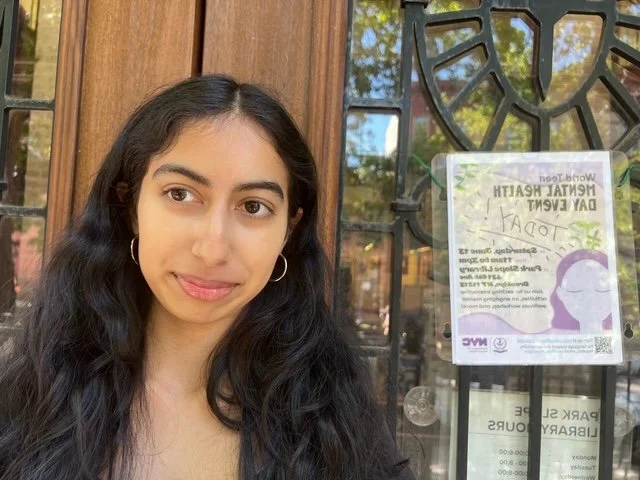
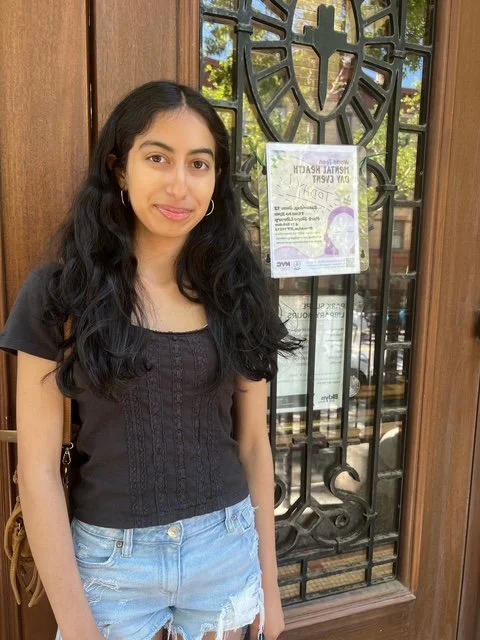
Last weekend, I had the opportunity to help organize and attend a World Teen Mental Health Day event through YES Council. While much of my work with the council has focused on education equity, this event allowed me to explore another issue affecting many young people across New York City: mental health.
One highlight of the event was a talk by Diane Bacchus, who shared her experiences and insights on mental health, self-care, and resilience. Hearing her speak reinforced how important it is for young people to have spaces where they can openly discuss challenges and learn healthy ways to manage stress. Her message emphasized that mental health should not only be considered during difficult moments but prioritized regularly.
In addition to the talk, we organized several activities designed to help participants relax and connect with one another. One activity involved making cards for UNICEF, giving attendees a chance to express encouragement through creativity. We also hosted a slime-making station, which proved surprisingly popular and gave students a break from academic pressures.
What stood out to me most was how engaged everyone remained throughout the event. Conversations about mental health can feel intimidating, particularly for teenagers, but combining educational content with hands-on activities created an environment where students felt comfortable participating.
This experience reinforced something I have been learning through my work with YES Council: supporting young people requires more than addressing academic success. Mental health, community, and access to resources all play an important role in helping students thrive. Events like this demonstrate how communities and local organizations can address important issues while creating spaces where young people feel supported and heard.
By the end of the day, I left with a greater appreciation for the role mental health plays in overall well-being, and for the importance of making these conversations more accessible to young people. It served as a reminder that meaningful change often begins with something as simple as giving people a place to learn, connect, and support one another.
Returning to the Office, Now the State Senate
July 30th 2026
This summer I returned to work with Erik Bottcher, though the office looks somewhat different now that he is a State Senator rather than a City Council Member. Walking back in felt familiar in certain respects, but the scope of the work has clearly grown.
One of my primary projects this summer was compiling the 26–27 West Side Family Resource Guide and the 26–27 West Side Parent Resource Guide. Building these guides meant reviewing a wide range of programs and services available on the West Side, from childcare and after-school programs to housing assistance and health resources, and organizing that information into something families could actually use. On its surface, this sounds like a straightforward research task, but it requires real thought about who these guides are meant to serve. A parent working several jobs does not have time to search through a dozen different websites to find affordable childcare or after-school tutoring. Compiling that information into a single, accessible guide is itself a small act of policy, ensuring that resources which already exist do not remain out of reach for the people who need them most.
The other significant part of this summer was attending the ribbon cutting for Penn South alongside Senator Bottcher. I had previously worked on projects tied to funding and grants, but this was the first time I was able to stand in the same room as the people that funding directly affected. I spent much of the event speaking with residents one on one, hearing what the renovations meant to them and how their experience of living there had changed. A grant, on paper, is a figure and a line item. Speaking with someone whose apartment building had become safer, more livable, and more affordable because of that same figure is an entirely different experience, and it clarified something I have been circling for some time: policy does not feel fully real until it is sitting across from you, describing what it actually changed.
Taken together, the resource guides and the Penn South event marked a meaningful step forward from my earlier work with Senator Bottcher's office. Previously, I was mostly researching and organizing information for others to act on. This time, I helped build something families will actually hold and use, and I was able to witness, up close, what it looks like when a policy decision becomes an improvement in someone's actual life. That distance between a bill or a grant and a person's daily reality is precisely the space I hope to keep working in.
Mamdani’s AI Moratorium in Elementary and Middle Schools
September 7th 2026
Last week, Mayor Mamdani and Schools Chancellor Kamar Samuels announced a one year moratorium on students facing generative AI in New York City public schools from pre-K through eighth grade, along with new screen time guardrails for younger students. The policy affects nearly 600,000 students, roughly two-thirds of the system's total enrollment, and it disables AI functions on dozens of educational tools currently used in classrooms across the city.
Teachers are not held to the same restriction. They can still use AI to build lesson plans, translate material, or draft messages to families. What the moratorium targets specifically is the AI students themselves would interact with directly, along with companion chatbots, which are being banned across all grade levels regardless of age. High schoolers are treated differently as well. A small number of classrooms will pilot limited AI tools, capped at around twenty to forty five minutes a week depending on the subject, alongside new mandatory AI literacy modules meant to build critical thinking about the technology rather than dependence on it.
Mamdani's reasoning centers on a claim I keep turning over. He has said he has yet to see a single study showing that AI benefits students in elementary or middle school, and that the technology industry wants families to believe its presence in early education is inevitable, when in his view it is not. At a press conference announcing the policy, he framed the decision around human connection, saying that children need teachers and peers to develop alongside, and that they need to sit with problems on their own before reaching for an answer.
That last point is the one I find myself thinking about most, given how much of my own work has focused on education equity. A lot of the disparities I have looked at through YES Council come down to unequal access to attention, whether that means a teacher who has time to sit with a struggling student or a family that can afford tutoring outside of school. I understand the appeal of framing AI as a tool that could close some of those gaps automatically. But I also understand the concern underneath this policy, which is that a struggling student handed an AI tool without real oversight may end up further from mastering a skill, not closer, especially at an age when the skill in question is still being formed for the first time.
There is also something notable in how the policy was built. It carves out real exceptions rather than applying a blanket rule. Students with disabilities who rely on assistive technology are exempted, as are multilingual learners and students in career readiness or computer science programs. That distinction matters to me. A policy that ignores which students actually need a given tool tends to end up protecting the students who needed the least protection in the first place, while leaving out the ones the exception was supposed to reach.
The city has also framed this explicitly as a moratorium rather than a permanent ban, with a full
review planned before the 2027 to 2028 school year to decide whether the policy should continue, change, or end. I think that detail is worth sitting with. It is easy for policy around new technology to change into something permanent simply because reversing course feels harder than staying the course. Building in a scheduled reassessment, and stating publicly that the decision will be revisited once there is more evidence either way, feels like an honest acknowledgment that no one, including the people writing the policy, actually knows yet what the right long-term answer is.
I do not think this moratorium settles the underlying question of what AI should look like in a classroom. But I think the way it was built, with named exceptions, a built-in expiration date, and a stated willingness to be wrong, says something about what responsible policymaking around fast-moving technology can look like. That is closer to the version of public policy I keep finding myself drawn to: not a fixed answer handed down from above, but a decision made carefully, with room left to correct it.
Erik Bottcher Elected a Vice Chair of the New York State Democratic Party
October 15th 2026
On October 1, State Senator Erik Bottcher was elected a Vice Chair of the New York State Democratic Party by members of the Democratic State Committee. The vote took place at the party’s 2026 Fall Business Meeting in Tarrytown. In his statement that day, he said he was deeply honored and thanked his fellow State Committee members for placing their trust in him. Having worked in his office, I wanted to write about this because it shows a side of public service that rarely gets attention, which is how political parties choose their own leaders.
The timing stands out to me. Senator Bottcher took office on February 4, 2026, so he received this party leadership post roughly eight months into his first term in Albany. Before that, he spent four years on the City Council, and in that time he held a committee chair and co-chaired the Council’s LGBTQIA+ Caucus. He now also chairs the State Senate’s Cities 1 Committee, which means he holds a legislative leadership role and a party role at once.
The size of the body that made this decision is worth noticing. The New York State Democratic Committee has 480 voting members. By comparison, my post on the mayoral race noted that more than two million people cast ballots in that election. The same meeting reelected Jay Jacobs to a seventh term as chair, with about 81.7 percent of the weighted vote against 13.7 percent for challenger Caitlin Ogden. Contests like these are decided by a small group of people who are themselves chosen by voters, since State Committee seats appear on Democratic primary ballots, including the June 23 primary this year, where contested Assembly districts elected two members each.
The list of officers also shows who sits alongside him. The committee named Christine Quinn as Executive Committee chair and Pamela Hunter as first vice chair. The vice chairs include Carl Heastie, the Assembly Speaker, and Andrea Stewart-Cousins, the Senate Majority Leader, along with Adrienne Adams, Grace Lee, Grace Meng, and Jeremy Zellner. Joining a group that includes the leaders of both legislative chambers says something about how his colleagues see his role in the party.
Party committees matter in ways that are easy to overlook, and Senator Bottcher’s own path shows one. In January 2026, the Manhattan Democratic Party held a special nomination meeting for the 47th Senate District, and more than 130 County Committee members unanimously chose him as the Democratic nominee. A few weeks later he won the February special election with 91.7 percent of the vote. In a district where one party wins by that margin, the nomination meeting was effectively where the choice was made. That is a good example of why the people who sit on these committees deserve more attention than they usually get.
I do not yet know what the role asks of him day to day, and I would like to learn that. The timing is notable, since the party’s work now leads into the November 3 general election, when the seat he holds is on the ballot. What I can say from my time in his office is that he has treated every role he has held as a way to stay connected to the people he represents, and I will be watching how he carries that into this one.